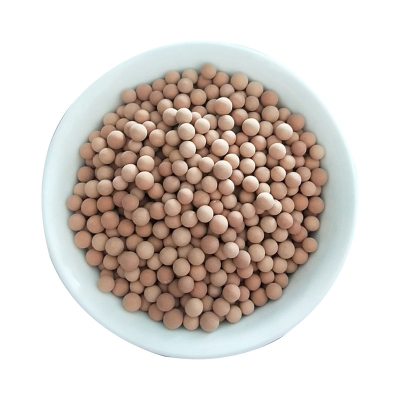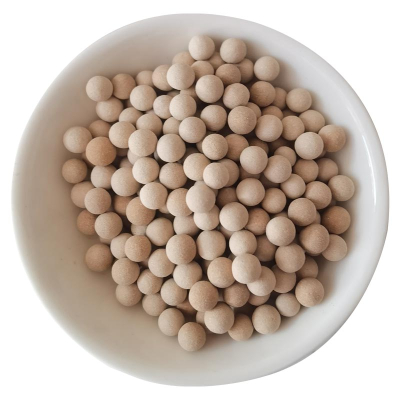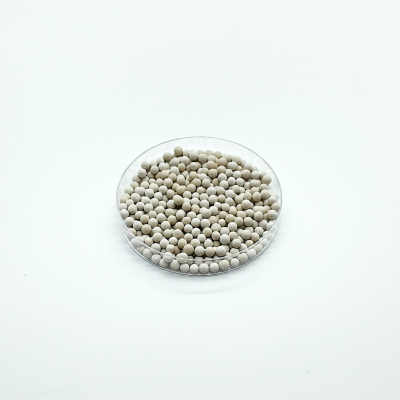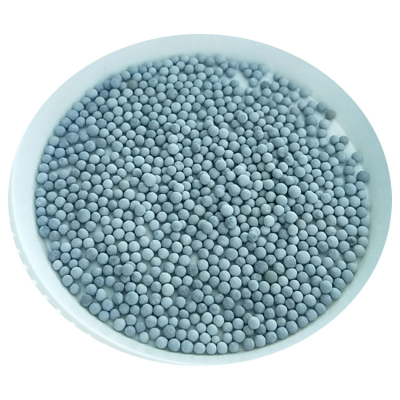
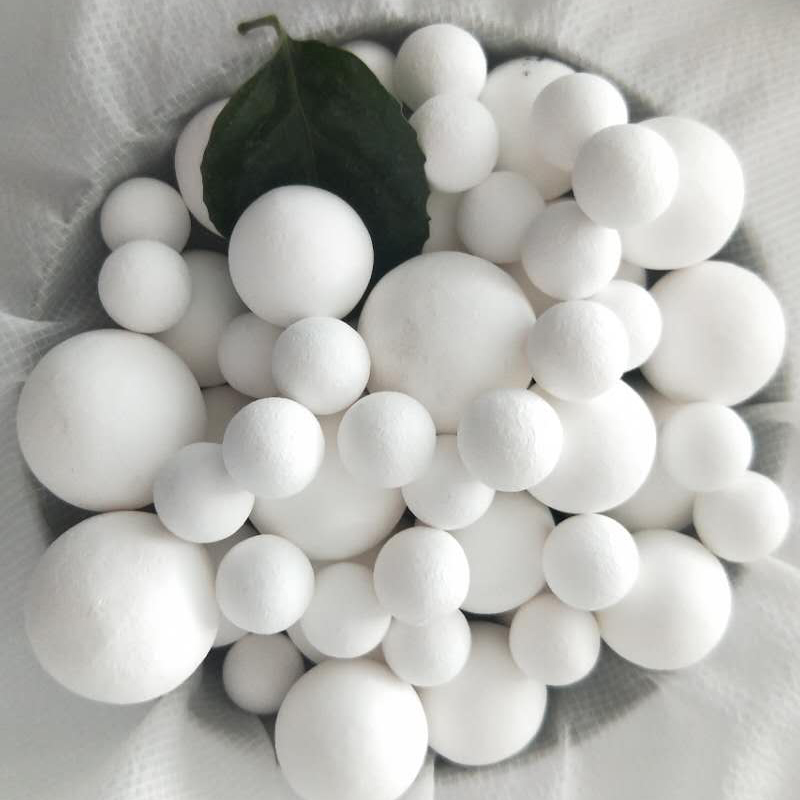
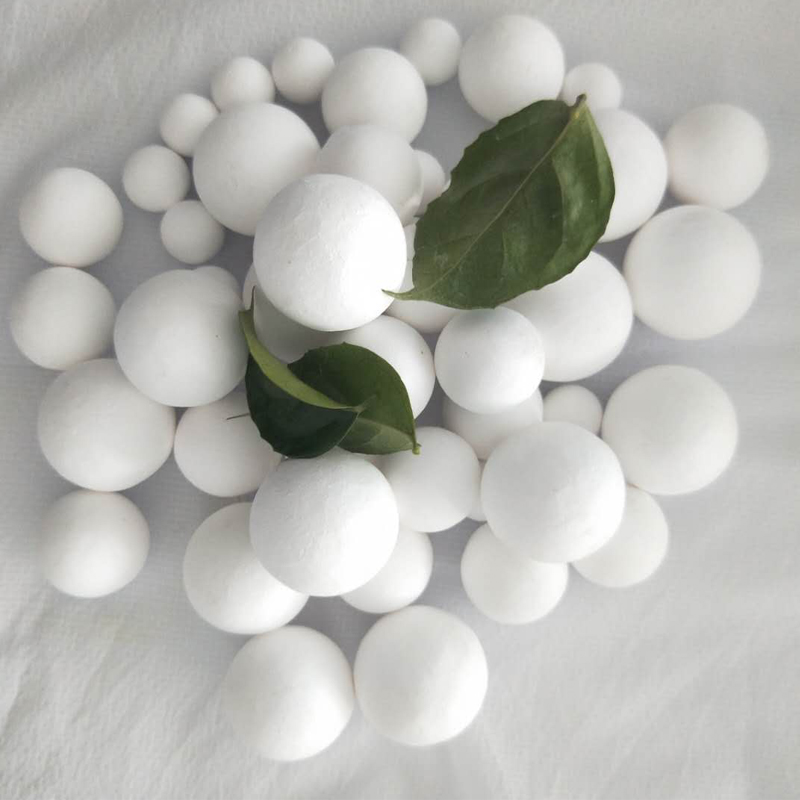
Fluoride Removal Filter Media – Activated Alumina Ceramic Balls
1. High adsorption
2. Filter impurities in water
3. Remove fluorine from water
Product Overview
Activated Alumina Ceramic Balls are a highly porous filtration media widely used for fluoride removal and water purification. The material is produced from high-purity aluminum oxide (Al₂O₃) through advanced processing methods that create a large surface area and highly developed pore structure, enabling strong adsorption capacity.
Due to its excellent adsorption properties, activated alumina is particularly effective for removing fluoride ions from drinking water, making it suitable for use in regions with high fluoride concentrations.
Activated alumina ceramic balls are also known for their high mechanical strength, chemical stability, and resistance to swelling or cracking, even after absorbing water. The material is non-toxic, odorless, and insoluble in water and ethanol, making it safe for drinking water applications.
In addition to water treatment, activated alumina is also widely used as a desiccant, air purification media, and adsorption material in various industrial and household applications.
Manufactured by Zhangqiu City Longxin Corundum Products Co., Ltd., the product is suitable for global water treatment equipment manufacturers and filtration system suppliers.

Key Features
High Adsorption Capacity
Activated alumina has a large specific surface area and porous structure, providing excellent adsorption performance.
Effective Fluoride Removal
Specially designed for removing fluoride from drinking water, helping improve water safety in high-fluoride regions.
Strong Mechanical Stability
The ceramic balls maintain their shape and do not swell or crack after absorbing water.
Safe and Non-Toxic Material
The material is odorless, insoluble in water, and safe for water purification applications.
Regenerable Adsorbent Media
After saturation, activated alumina can be regenerated by heating at 175–315°C, restoring adsorption capacity.
Multi-Functional Filtration Media
Suitable for both water purification and air drying applications.

How Activated Alumina Removes Fluoride
Activated alumina removes fluoride through an adsorption process.
The porous surface of the alumina ceramic balls attracts and binds fluoride ions (F⁻) from water. As water passes through the filtration media, fluoride ions adhere to the surface of the activated alumina, effectively reducing fluoride concentration.
Due to its high surface area and strong adsorption capability, activated alumina is one of the most widely used materials for fluoride removal in drinking water treatment systems.
Technical Specifications
| Parameter | Value |
|---|---|
| Al₂O₃ Content | ≥92% |
| Specific Surface Area | ≥260 m²/g |
| SiO₂ Content | ≤0.10% |
| Pore Volume | ≥0.40 ml/g |
| Na₂O Content | ≤0.45% |
| Static Adsorption Capacity | ≥17% |
| Bulk Density | 700–800 kg/m³ |
| Water Absorption | ≥50% |
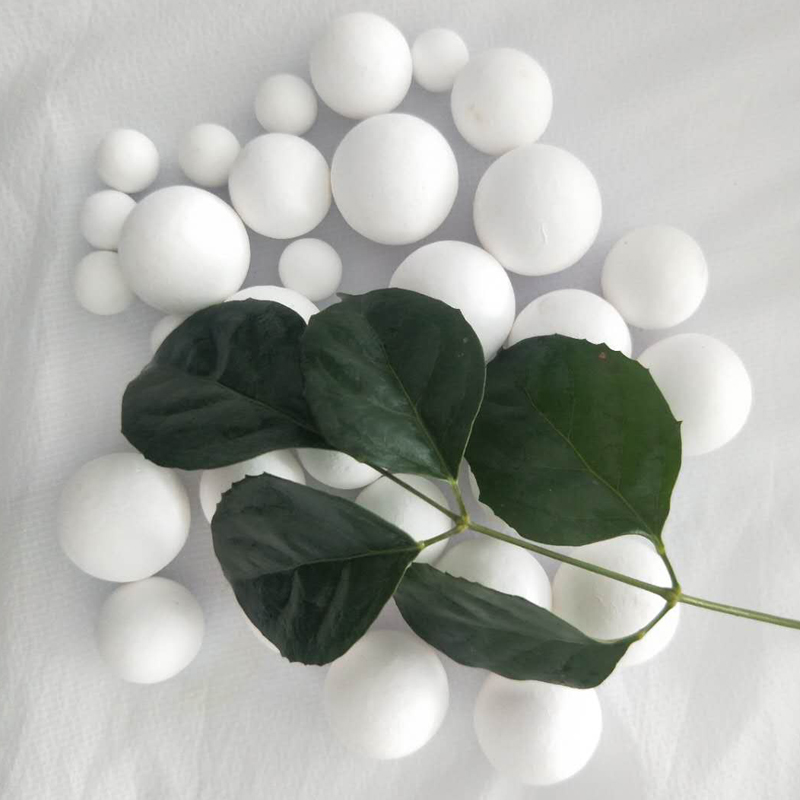
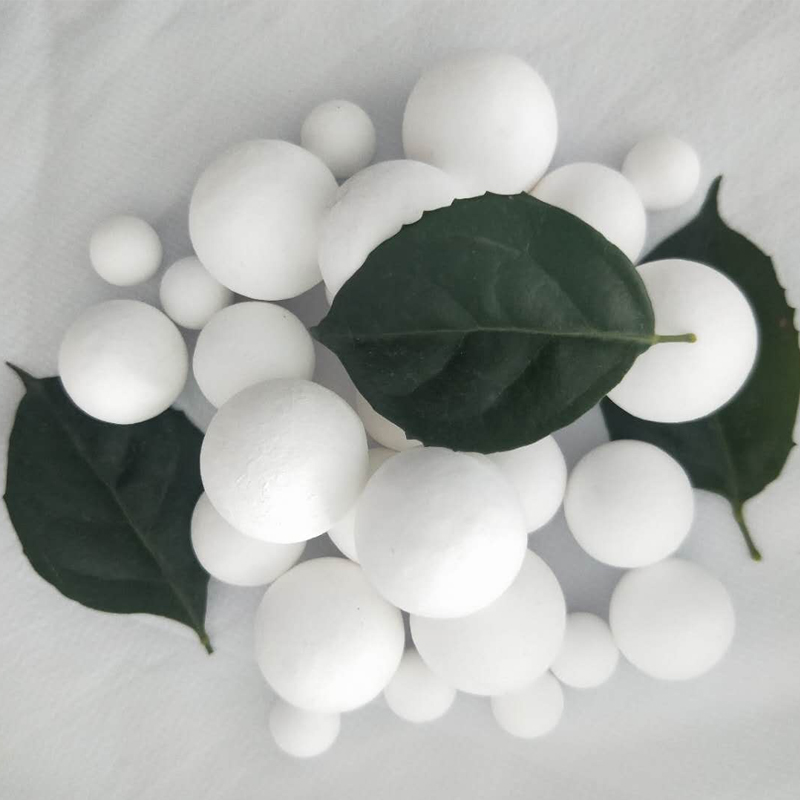
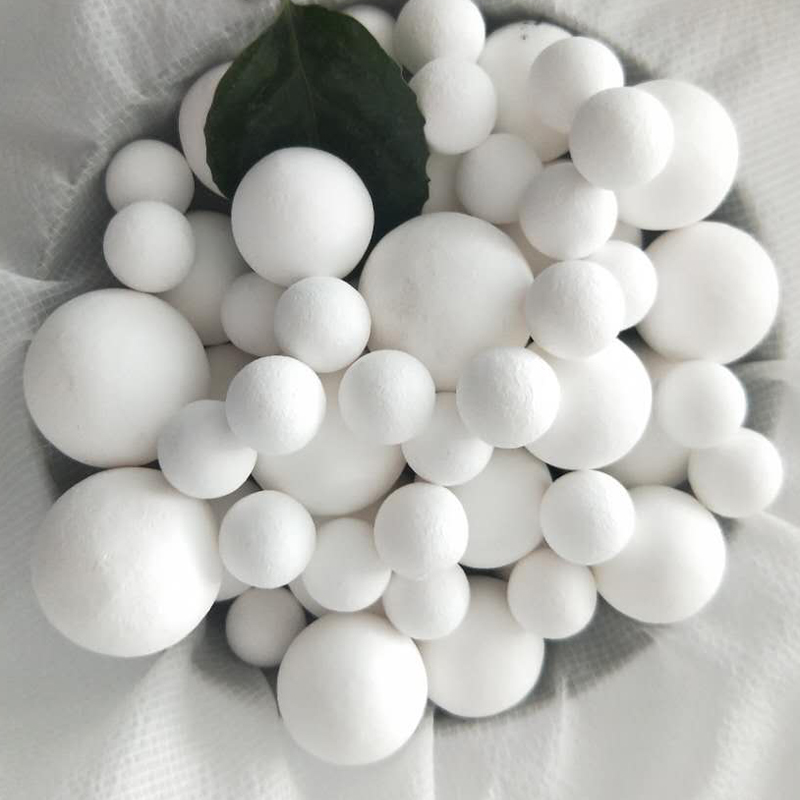
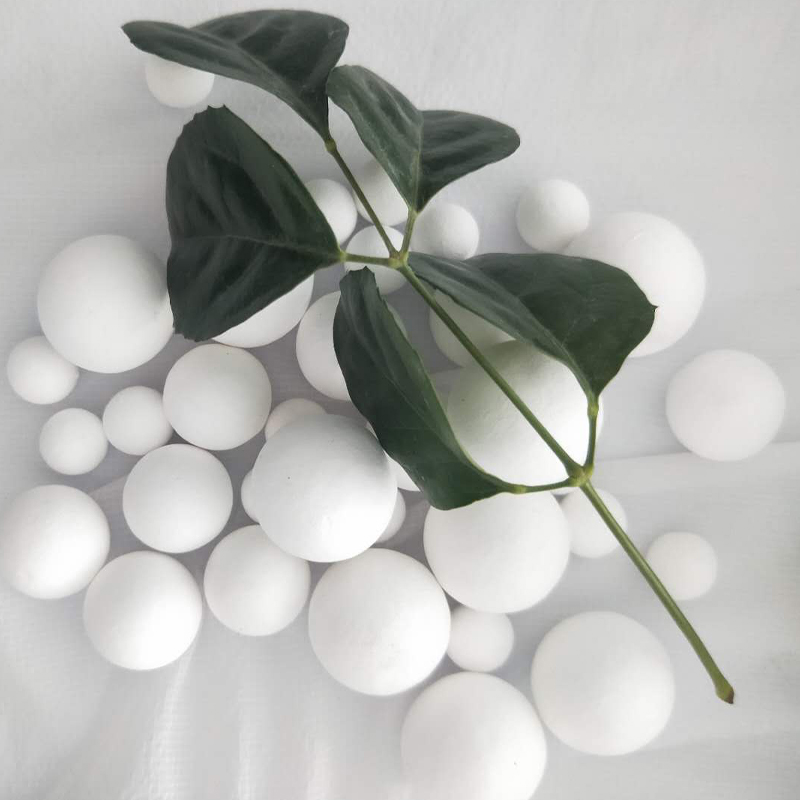
| Appearance | White porous spherical particles |
Applications
Activated Alumina Ceramic Balls are widely used in various filtration and adsorption applications.
Drinking Water Fluoride Removal
The material is commonly used in drinking water filtration systems to reduce fluoride concentration and improve water quality.
Water Treatment Systems
Activated alumina is used in industrial water treatment, municipal water filtration, and groundwater purification systems.
Household Water Purifiers
The ceramic balls can be used inside water filter cartridges and household water purification systems.
Air Drying and Desiccant Applications
Due to its strong hygroscopic properties, activated alumina is also widely used as a desiccant for air drying and moisture removal.
Air Purification Systems
Activated alumina can be used as an adsorption material for removing impurities and odors in air filtration systems.
FAQ
What is activated alumina used for?
Activated alumina is widely used as an adsorbent material for water purification, fluoride removal, drying, and air purification applications.
How does activated alumina remove fluoride?
Activated alumina removes fluoride through adsorption, where fluoride ions attach to the porous surface of the alumina material.
Can activated alumina be regenerated?
Yes. When adsorption capacity decreases, activated alumina can be regenerated by heating at 175–315°C, restoring its adsorption performance.
Is activated alumina safe for drinking water?
Yes. Activated alumina is non-toxic, odorless, and widely used in drinking water treatment systems worldwide.