Multi-Layer Water Filtration Systems Explained: How Modern Filter Media Work Together
Introduction
As water quality challenges become more complex, modern filtration systems are evolving beyond single-material solutions. Today’s water treatment technologies increasingly rely on multi-layer filtration systems that combine different types of filter media to achieve more comprehensive purification results.
From household filters to industrial applications, layered filtration structures are becoming the standard approach in the global water treatment industry.
What Is a Multi-Layer Filtration System?
A multi-layer filtration system is designed by combining several types of filter media within a single structure. Each layer serves a specific function, allowing the system to target different types of contaminants simultaneously.
Instead of relying on a single filtration process, this approach improves overall efficiency by distributing the workload across multiple materials, each optimized for a particular purpose.
Typical Filter Media and Their Functions
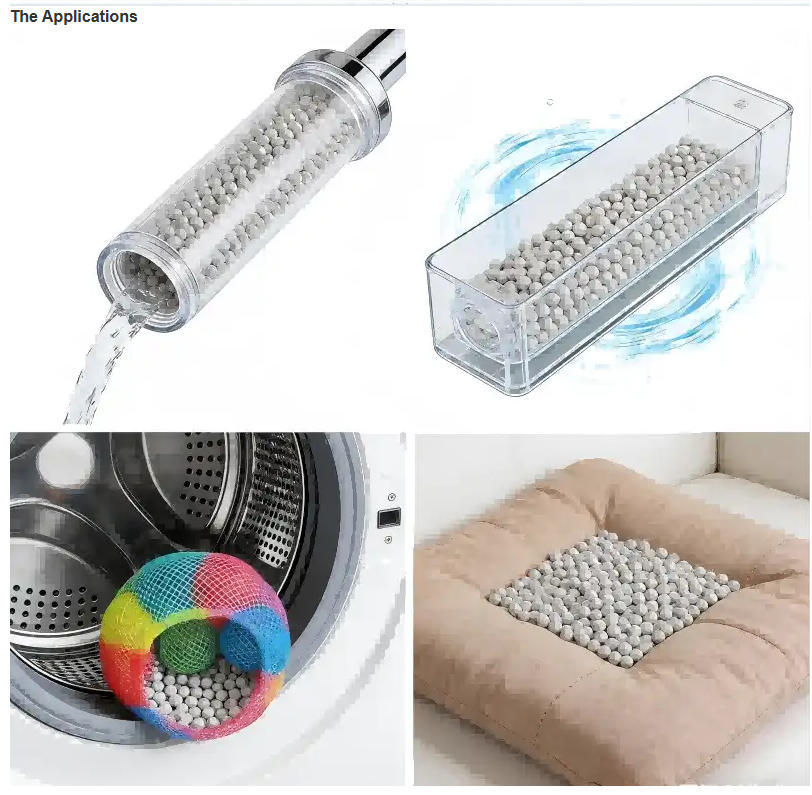
In a typical multi-layer system, different types of media are selected based on their functional properties.
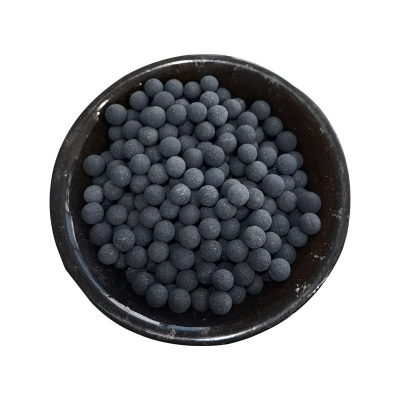
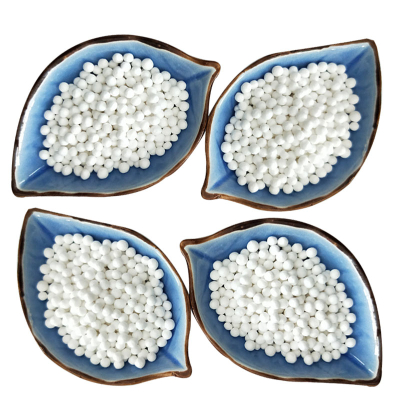
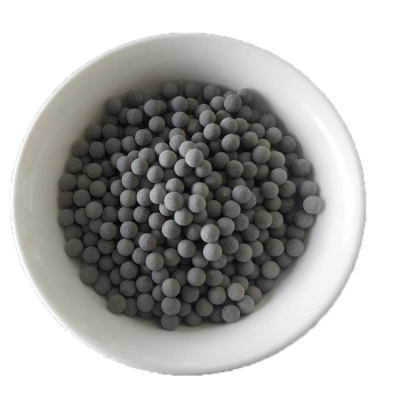
Activated carbon is commonly used for removing chlorine, organic compounds, and unwanted odors. Ceramic-based media are widely applied for their structural stability and ability to support additional functions such as mineral release or hydrogen generation.
Antibacterial media, including silver-based materials, help inhibit bacterial growth within the filtration system. Mineral media can also be added to adjust water composition and improve taste.
By combining these materials, filtration systems can address multiple water quality concerns in a single process.
Why Multi-Function Integration Matters
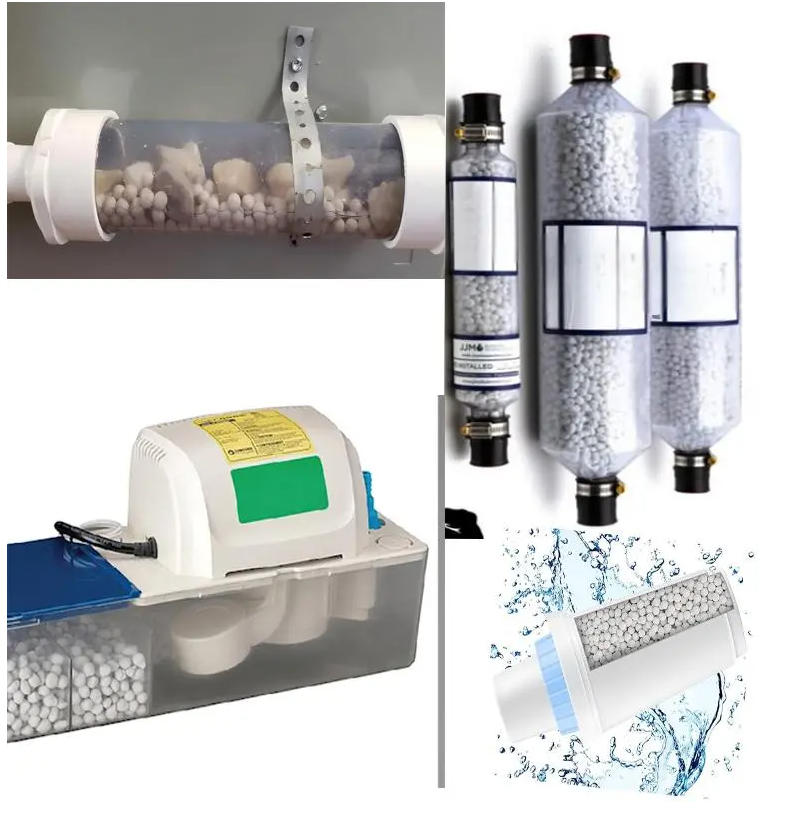
The integration of multiple filtration functions into a single system offers several advantages.
It reduces the need for separate treatment stages, making systems more compact and cost-effective. It also allows manufacturers to design customized solutions tailored to specific water conditions and application requirements.
For OEM filter cartridge manufacturers, this approach provides greater flexibility in product development, enabling them to differentiate their offerings in a competitive market.
Applications Across Different Scenarios
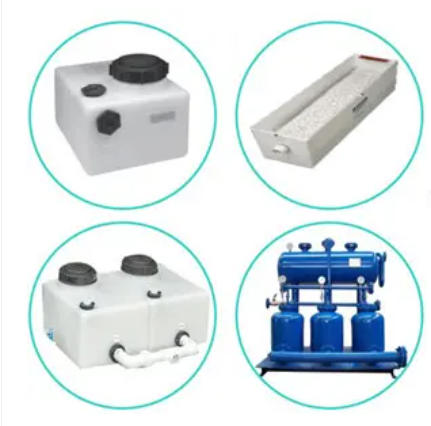
Multi-layer filtration systems are widely used across a range of applications.
In residential settings, they are commonly found in under-sink systems, countertop filters, and shower filtration units. In commercial and industrial environments, they are used in larger-scale treatment systems where consistent water quality is essential.
Portable filtration devices are also adopting layered media structures to provide more advanced purification in compact formats.
Industry Outlook
The demand for integrated filtration solutions is expected to continue growing as water quality standards become more stringent and user expectations increase.
Advances in material technology are enabling the development of more efficient, durable, and multifunctional filter media. At the same time, customization and modular design are becoming key trends, particularly in OEM and private-label markets.
Companies that can provide flexible, high-performance filtration media are well positioned to support the next generation of water treatment systems.
Conclusion
Multi-layer filtration systems represent a significant advancement in modern water treatment. By combining different filter media into a single, integrated structure, these systems offer a more effective and versatile solution to today’s water quality challenges.
As the industry continues to evolve, multi-functional filtration design will play an increasingly important role in delivering safe, clean, and optimized water solutions.