Combined hydrogen farming: a new synergistic strategy for improving tomato quality and soil quality
Tomatoes, a widely cultivated crop of the Solanaceae family, are both an important cash crop and an essential vegetable (fruiting vegetable) in our daily diet. In modern agriculture, greenhouse tomatoes are a common sight on our tables.
However, with increasing planting density and long-term land use, extensive development models have led to serious problems such as soil nutrient imbalance, salinization, and continuous cropping problems. How can we grow tomatoes that are both delicious and nutritious while ensuring sustainable soil productivity? A research team from China Agricultural University has turned their attention to a seemingly new field in biology: hydrogen biology.
Joint Hydrogen Agriculture: Hydrogen-Rich Water and Its Allies
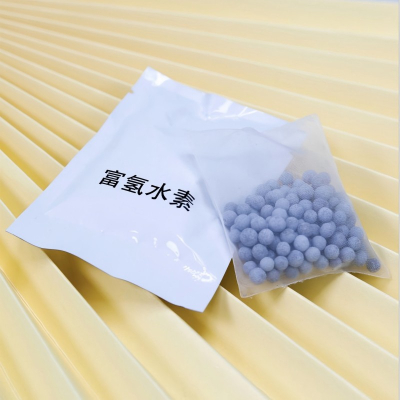
Hydrogen (H2), as a bioactive molecule, plays a vital role in plant physiological processes, helping plants withstand various stresses such as drought and high salinity. Hydrogen-Rich Water (HRW), a safe, easy-to-use form of hydrogen suitable for field irrigation, not only promotes plant growth but also effectively improves crop quality.
Microbial inoculants are active substances made from a mixture of artificially cultivated beneficial microorganisms, often called "soil probiotics." They can optimize soil microbial structure, inhibit pathogens, and promote nutrient absorption by crops, making them crucial for reducing fertilizer use and increasing efficiency. The microbial agent used in this study is primarily composed of arbuscular mycorrhizal fungi, which are widely found in nature.
Biostimulants are substances that bidirectionally regulate crop metabolism, induce stress resistance mechanisms, and thus improve yield and quality. Organic calcium, a key component of plant cell walls, was selected for this study. Calcium is crucial for maintaining cell structure and promoting photosynthetic product transport.
A Powerful Combination: The Synergistic Effect of Hydrogen-Rich Water and Its Allies
The research team first combined hydrogen-rich water with a microbial agent (HM treatment) and compared the effects with conventional tap water irrigation (CK) and the application of the agent alone (M).
In terms of plant growth, tomatoes treated with HM exhibited superior growth strategies: plant height increased significantly in the early stages of growth, enabling faster establishment of growth advantage. Later in growth, the plant shape was optimized by increasing stem diameter and shortening inflorescence spacing, facilitating nutrient delivery to the fruit, ultimately significantly increasing fruit set. This synergistic effect is also significant in fruit quality. In spring tomatoes, HM treatment significantly increased vitamin C and soluble solids content compared to the control. In autumn tomatoes, HM treatment significantly improved the sugar-acid ratio, reduced acidity, and enhanced tomato flavor.
More importantly, HM treatment significantly reduced soil pH and EC (electrical conductivity, reflecting soil salt content), effectively alleviating the salinization and alkalinization common in greenhouse soils in northern China.
To optimize the solution, researchers added organic calcium (HMC treatment) as a biostimulant to hydrogen-rich water and microbial inoculants.
The results showed that HMC treatment also achieved new levels of fruit quality improvement. In particular, in the first bunch of spring fruits, HMC treatment saw a nearly 50% increase in vitamin C content compared to the control, and its overall fruit quality index increased significantly by 104.4%.
HMC treatment also achieved the most significant results in soil improvement. It significantly reduced soil pH and EC, while also significantly increasing soil total nitrogen and available potassium. The increase in available potassium in autumn crop soil reached as high as 91.34%.
This study by a research team from China Agricultural University clearly demonstrates that the combination of hydrogen-rich water and microbial inoculants can effectively promote tomato growth, improve fruit quality, and enhance soil quality. When combined with biostimulants such as organic calcium, the synergistic effect is further amplified, with the most significant results in increasing fruit vitamin C content and key soil nutrients.
The application pattern of hydrogen-rich water combined with microbial inoculants and biostimulants discovered by China Agricultural University provides a practical green technology reference for high-quality and efficient greenhouse tomato production in my country and paints a promising blueprint for the sustainable development of agriculture in the future.